For any business that uses a fleet of heavy goods vehicles, keeping them running is crucial. Having lorries on the road and delivering on time is key to making a profit and keeping a good reputation.
The best way to do this is with a proactive maintenance plan. This means you focus on stopping breakdowns before they happen, instead of just fixing them after. It not only keeps your vehicles available more often but also saves you a lot of money and hassle in the long run.
Image Credit: Unsplash
The Cost of Reactive Repairs
Waiting for a vehicle to break down before you do anything is an expensive and inefficient way to run your fleet. The costs of fixing things only after they break go way beyond the bill from the recovery service. Just one breakdown on the side of the road can lead to a whole chain of expenses, like getting the vehicle towed, paying extra for emergency repairs, and possibly even fines for missing delivery times.
Besides these direct money costs, the indirect problems can be even worse. A broken-down vehicle means jobs get delayed or cancelled, which can hurt your relationships with clients and damage your company’s reputation for being reliable. Plus, unexpected downtime messes up driver schedules and logistics, creating administrative headaches and making your whole fleet less productive.
Developing a Maintenance Schedule
A proactive strategy starts with a maintenance schedule that’s well-organised and actually followed. Instead of just reacting to problems, you try to predict them based on how much the vehicle is used and what the manufacturer recommends. A solid plan should be made specifically for your fleet, taking into account things like how old the vehicles are, how many miles they typically drive, and the conditions they operate in.
Good fleet scheduled maintenance means you have a clear checklist for regular inspections. This should cover important areas like:
- Engine oil and coolant levels
- Brake system checks
- Tyre pressure and tread depth
- Hydraulic systems and fluid checks
- Electrical systems and lighting
By writing down these checks and tracking them for each vehicle, you build a useful history. This helps you spot problems that keep happening and figure out the best times for service.
Expert Diesel Mechanic Services
Even the best maintenance schedule only works if skilled people do the actual work. Building a relationship with a trustworthy service provider is a really important part of managing your fleet proactively. An experienced technician can notice small signs of wear and tear during routine checks that others might miss. They can fix minor issues before they turn into big breakdowns.
Working with a skilled diesel mechanic makes sure that inspections are thorough and repairs are done well. These experts have the specific knowledge needed to work on complex modern engines and other systems. Their work gives you peace of mind that every vehicle leaving the workshop is safe, meets regulations, and is ready for the demands of the road.
Leveraging Diagnostic Technology
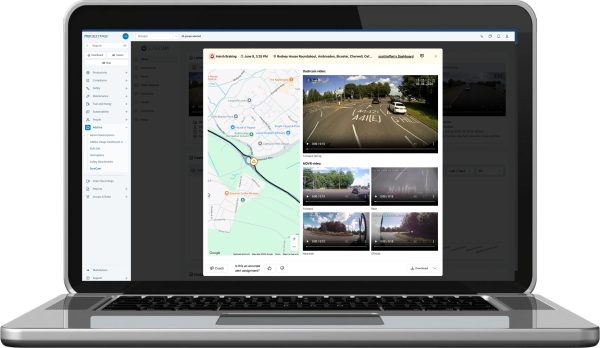
Modern technology gives us powerful tools to improve proactive maintenance. On-board diagnostics (OBD) and telematics systems constantly send real-time information about how a vehicle is performing and its overall health. This data lets fleet managers go beyond just scheduled maintenance and move towards predicting when maintenance will be needed.
As data shows how telematics transforms fleet maintenance, managers can keep an eye on everything from engine fault codes and fuel efficiency to how drivers are behaving. For example, if you get an alert about a small increase in engine temperature, it could prompt an inspection that reveals a water pump starting to fail. That’s a problem that can be fixed in the workshop for minimal cost. Without this data, that issue would likely have led to an expensive breakdown on the road.
Benefits Beyond Uptime
The main goal of proactive maintenance is to keep vehicles running more often, but the benefits don’t stop there. A fleet that’s well-maintained is also more efficient. Regular servicing makes sure engines run at their best, which means better fuel economy and lower emissions across all your vehicles. This not only cuts down on running costs but also helps you meet environmental goals.
What’s more, vehicles with a complete and documented service history tend to sell for more. Proactive maintenance also makes drivers safer and happier. Drivers feel more confident and get more done when they know their vehicle is reliable, which reduces the stress of potential breakdowns.
Ultimately, changing from fixing things only when they break to actively preventing problems is a smart investment. It protects your assets, makes operations smoother, and sets up your business for steady growth.